
ITR Filing Deadline 2026: 5 Income Tax Penalties Every Taxpayer Must Know Before 31 July
The ITR filing deadline is approaching. Learn about the five major income tax penalties every taxpayer should know before 31 July 2026, including late filing fees, interest charges, and other consequences of missing the due date.

Study4India Team
Expert Educator
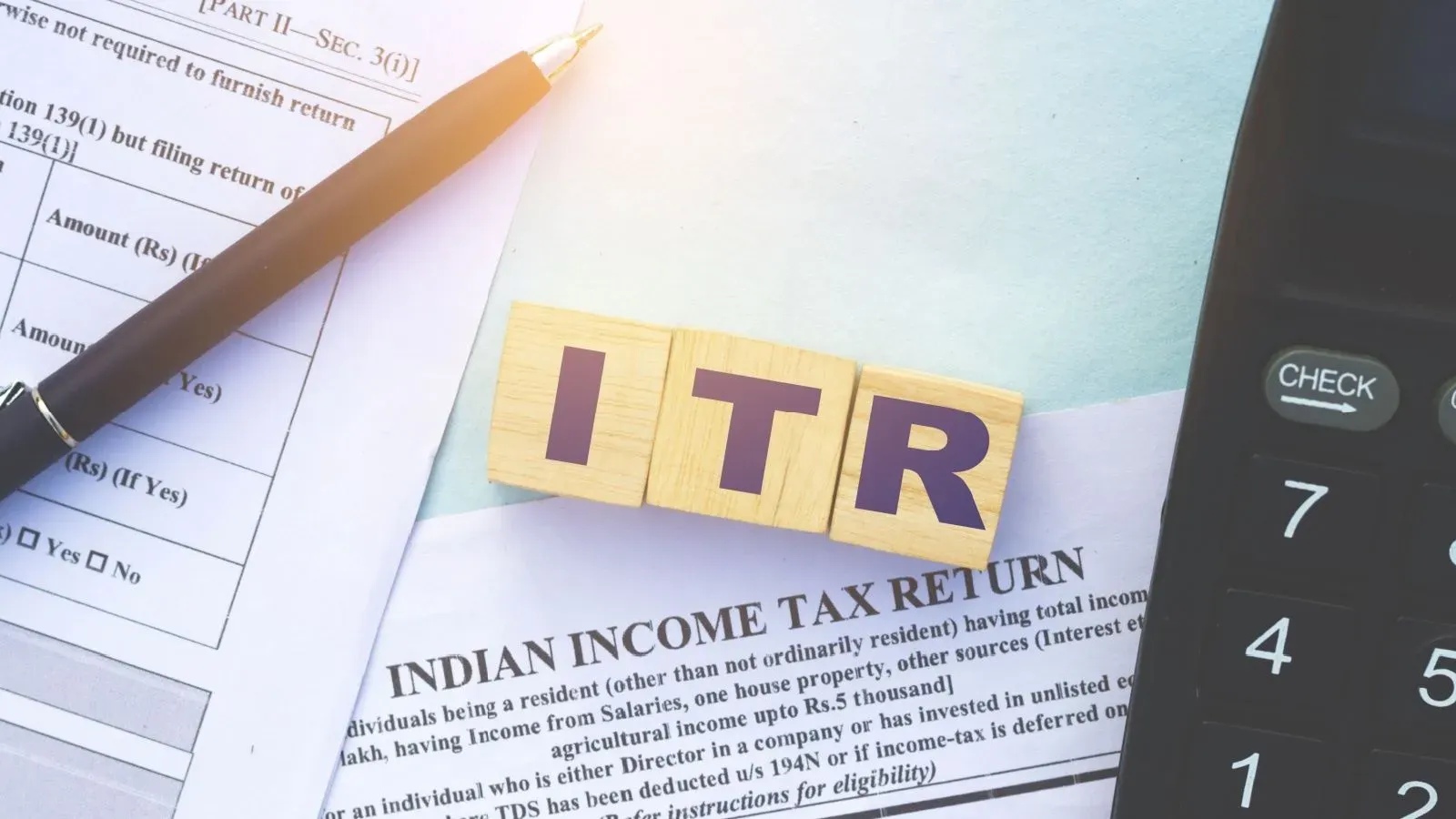
ITR Filing Deadline 2026: 5 Income Tax Penalties Every Taxpayer Must Know Before 31 July
Have you filed your Income Tax Return (ITR) for the financial year 2025-26 and successfully e-verified it? If the answer is no, you are rapidly running out of time. The deadline to file your ITR for Assessment Year 2026-27 is 31 July 2026 — just one week from today. Missing this date does not just mean a delayed refund; it triggers a cascade of financial penalties, interest liabilities, and compliance complications that can haunt you well into the next financial year.
The Income Tax Department has already confirmed that over 3 crore ITRs have been successfully filed for AY 2026-27, with more than 15 lakh returns submitted on a single day alone. In a post on its official X (formerly Twitter) handle, the department urged taxpayers: "Don't wait for the deadline rush." Here is a comprehensive breakdown of the five critical penalties every taxpayer must understand before clicking the submit button — or worse, before deciding to delay.
⚠️ Key Dates for AY 2026-27
- ITR Filing Due Date (No Penalty): 31 July 2026
- Belated Return Deadline: 31 December 2026
- Revised Return Deadline: 31 December 2026 (or completion of assessment)
- Consequence of Missing 31 July: Late fee + interest + possible scrutiny
5 Income Tax Penalties Every Taxpayer Should Know
Income tax authorities have prescribed different consequences for various defaults. Some involve fixed monetary charges, while others are linked to the amount of tax involved and can escalate dramatically. Understanding these provisions is the first step towards staying compliant.
1. Late Filing Fee Under Section 234F
This is the most common penalty that affects taxpayers who miss the 31 July deadline. Under Section 234F of the Income Tax Act, if you file your return after the due date but before 31 December 2026, you are liable to pay a flat late fee. The amount depends on your total income:
- Total income exceeds ₹5 lakh: Late fee of ₹5,000
- Total income does not exceed ₹5 lakh: Late fee of ₹1,000
It is important to note that this fee is mandatory and cannot be waived. Even if your tax liability is zero — for example, if all your taxes have been deducted at source — you must still pay the late filing fee if you submit after 31 July. The fee must be paid before filing the belated return, as the system will not allow submission without the challan details.
💡 Example: Ravi has a total income of ₹7,20,000 for FY 2025-26. His TDS has been fully deducted by his employer. He forgets to file his ITR by 31 July and files on 15 August. Despite having zero additional tax liability, he must pay a late fee of ₹5,000 under Section 234F.
2. Delayed or Revised Return Charges Under Section 234-I
Mistakes happen. You may discover an error in your originally filed return — perhaps you forgot to declare interest income from a fixed deposit, or claimed a deduction you were not eligible for. The law allows you to file a revised return, but if you do so after the 31 July deadline, Section 234-I kicks in.
Under this provision, a fee is levied for delayed revised returns:
- If total income exceeds ₹5 lakh: ₹5,000
- If total income is ₹5 lakh or below: ₹1,000
Importantly, this fee is independent of the Section 234F late fee. If you are filing a belated return for the first time after 31 July and later revise it, you may end up paying both charges.
3. Penalty for Under-Reporting or Misreporting Income — Section 270A
This is by far the most severe penalty on this list and one that taxpayers often underestimate. Under Section 270A, if the Assessing Officer finds that you have under-reported your income — whether intentionally or otherwise — you can be slapped with a penalty ranging from 50% to 200% of the tax payable on the concealed amount.
| Nature of Default | Penalty Rate | Explanation |
|---|---|---|
| Under-reporting of income | 50% of tax payable | Applies when income is inadvertently omitted or deductions are incorrectly claimed without fraudulent intent. |
| Misreporting of income | 200% of tax payable | Applies in cases of fraud, wilful suppression of facts, claiming bogus deductions, or fabricating documents. |
The distinction between "under-reporting" and "misreporting" is critical. An honest omission attracts 50%, while deliberate falsification can double your tax burden. The Income Tax Department uses data analytics, Annual Information Statement (AIS), and third-party reporting to detect discrepancies with remarkable accuracy.
⚠️ Warning: Misreporting can also lead to prosecution under Section 276C, which carries imprisonment of up to 7 years along with a fine. This is not merely a financial risk — it is a legal one.
4. Penalty for Cash Transactions Exceeding ₹2 Lakh — Sections 269ST and 271DA
In its drive to curb black money, the government has imposed strict restrictions on cash transactions. Under Section 269ST, no person can receive an amount of ₹2 lakh or more in cash:
- From a single person in a single day, or
- In respect of a single transaction, or
- In respect of transactions relating to a single event or occasion.
If you violate this provision, Section 271DA empowers the tax authorities to levy a penalty equal to the full amount received in cash. This means if you accept ₹3 lakh in cash for selling a used car, you could be penalised ₹3 lakh — effectively wiping out the entire sale proceeds.
This rule applies to all persons, including individuals, HUFs, companies, and partnership firms. There are limited exceptions, such as receipts from banking companies, post office savings banks, and certain government institutions. The penalty is levied by the Joint Commissioner of Income Tax and is non-discretionary.
5. Penalty for Non-Payment of Self-Assessment Tax — Sections 140A and 221
Before filing your ITR, you are required to pay any outstanding tax liability — this is known as Self-Assessment Tax under Section 140A. If you file your return without paying this tax, your return is considered defective and may be declared invalid.
If the tax remains unpaid, the Assessing Officer can levy a penalty under Section 221 of up to the full amount of outstanding tax. Additionally, interest under Sections 234A, 234B, and 234C continues to accumulate monthly, compounding your liability significantly over time.
💡 Interest charges that apply:
- Section 234A: 1% per month on unpaid tax after the due date.
- Section 234B: 1% per month for default in advance tax payment.
- Section 234C: 1% per month for deferment of advance tax instalments.
At a Glance: Summary of All 5 Penalties
| Default | Relevant Section | Possible Consequence |
|---|---|---|
| Filing ITR after 31 July | Section 234F | Late fee up to ₹5,000 (₹1,000 if income ≤ ₹5 lakh) |
| Delayed revised return | Section 234-I | ₹1,000 or ₹5,000, depending on income |
| Under-reporting or misreporting | Section 270A | 50% to 200% of tax payable on concealed income |
| Receiving ₹2 lakh+ in cash | Sections 269ST & 271DA | Penalty equal to the full amount received |
| Failure to pay self-assessment tax | Sections 140A & 221 | Penalty up to the outstanding tax amount + interest |
Why Filing Before 31 July Matters
With the deadline now just a week away, filing early is not merely about avoiding penalties. It offers several practical advantages:
- Avoid Last-Minute Glitches: The Income Tax portal experiences heavy traffic in the final days. Filing early ensures a smooth, stress-free submission.
- Time to Review: Early filers have adequate time to double-check entries, cross-verify with AIS and Form 26AS, and correct errors before submission.
- Faster Refund Processing: Returns filed early are processed sooner, meaning your refund — if any — hits your bank account faster.
- Carry Forward Losses: If you have capital losses or business losses to carry forward, filing by the due date is mandatory. Belated returns do not allow loss carry-forward (except for house property loss).
- Reduced Scrutiny Risk: Consistent, timely filing builds a clean compliance profile and reduces the chances of your return being picked up for detailed scrutiny.
✅ Income Tax Department's Official Message:
"3 Crore+ ITRs have already been filed for AY 2026-27, with 15 lakh+ ITRs filed yesterday alone! Don't wait for the deadline rush. File your ITR today and stay compliant." — @IncomeTaxIndia on X
How to Avoid These Penalties — Practical Tips
- File by 31 July 2026: This single action eliminates penalties under Sections 234F and 234-I.
- Reconcile with AIS and Form 26AS: Before filing, compare the income figures in your return with the Annual Information Statement. Any mismatch can trigger a notice.
- Declare All Income Sources: Interest from savings accounts, fixed deposits, dividends, rental income, capital gains — everything must be disclosed.
- Avoid Large Cash Transactions: For any transaction of ₹2 lakh or above, insist on digital payment modes and maintain proper documentation.
- Pay Self-Assessment Tax First: Calculate your total tax liability, subtract TDS and advance tax already paid, and pay the balance before filing.
- E-Verify Your Return: Filing is incomplete without verification. Use Aadhaar OTP, net banking, or send a signed ITR-V to CPC Bangalore within 30 days.
- Consult a Professional: If your income includes complex elements like capital gains, foreign assets, or business income, seek guidance from a qualified Chartered Accountant.
Conclusion
The 31 July 2026 deadline is not merely a date on the calendar — it is a financial threshold that separates compliant taxpayers from those facing penalties, notices, and unnecessary stress. The five penalties outlined above range from a relatively modest ₹1,000 late fee to a crippling 200% of tax payable on misreported income, and even a penalty equal to the full amount of a prohibited cash transaction.
On-time, accurate ITR filing is one of the simplest ways to stay on the right side of the tax laws. With seven days remaining, the window is still open — but it is closing fast. Gather your documents, reconcile your income, pay any outstanding dues, and file your return today. A quiet, penalty-free financial year is well worth the effort.
Comments (0)
Leave a Reply
Your email address will not be published. Required fields are marked *
No comments yet. Be the first to start the discussion!